We bought a brand new travel stroller for our first family vacation. We gate checked it like everyone told us to. It came back damaged.
If your stroller is damaged by an airline, report it at the airport before you leave, take photos, and file a written claim within 7 days for international flights or as soon as possible for domestic ones if you want the best chance of compensation. The worst part? We didn’t notice at the time. By the time we realised, we had already left the airport, missed the reporting window, and had no paperwork. The airline wouldn’t compensate us. We ended up paying for it ourselves.
We wish someone had told us what to do back then. So we’re sharing it with you. If you’re a parent or traveler planning to gate check a stroller, this will walk you through how stroller damage happens, how to protect your stroller before you fly, when and how to report damage, how to file or escalate a claim, what travel insurance may cover, and when to skip gate checking altogether. Hopefully you never need it. But if the airline breaks your stroller, at least you’ll know exactly what steps to take.
What to Do If an Airline Breaks Your Stroller
Report the damage at the airport before you leave, photograph everything, and send a written claim to the airline within 7 days. That 7 day limit is the international rule. On US domestic flights, many airlines want damage reported within hours of arrival, so check your airline’s rules before you fly.
Why Airlines Damage Strollers
A gate checked stroller leaves your hands at the aircraft door and goes in the hold with everything else. It’s loaded fast, stacked with other strollers, and sometimes sent to baggage claim instead of the jet bridge. Bent frames, broken wheels and torn fabric are the most common damage parents report.
Step 1: Photograph Your Stroller Before It Is Gate Checked
-
Take three photos: open, folded, and a close up of the wheels and fold mechanism
-
Photograph the gate check tag once it’s attached
-
Keep your boarding pass and baggage tag together
This is the step we skipped. Without “before” photos, it’s your word against the airline’s.
Step 2: Protect Your Stroller for Air Travel
-
Remove loose parts: cup holders, toys, detachable canopy
-
Use a padded stroller travel bag if you have one, as it helps protect against scuffs and rough handling
-
Some airlines won’t accept claims for unpacked strollers, so check your airline’s conditions
-
Ask where it will be returned: aircraft door or baggage claim
Step 3: Inspect Your Stroller at Baggage Claim Before Leaving the Airport
Check the frame, wheels, brake, harness, and full fold/unfold function the moment you get it back. Open it, roll it, brake it, lock it. Do this before you walk out, even with a tired baby on your hip. This is where we went wrong. Don’t wait until later in the trip to find a problem that happened at the airport.
If your stroller is unsafe for your toddler or other small children, tell the airline immediately and ask for help rather than wait.
Step 4: Get a Property Irregularity Report (PIR)
Go to the airline’s baggage service desk and ask for a Property Irregularity Report. Report airline damages in person before leaving the airport. Keep a copy, note the reference number, get the claim number, and record the name of the person who helped with the damaged luggage report. Without a PIR, many claims stall. These are simple tips that make follow-up easier. Keep the broken stroller until the claim is resolved.
Step 5: File a Damaged Stroller Claim in Writing
Under the Montreal Convention, which covers most international flights, your written complaint must reach the airline within 7 days of getting the stroller back. Domestic deadlines can be much shorter.
Include:
-
Your name, booking reference and flight number
-
Your PIR reference
-
Before and after photos
-
Proof of purchase such as a receipt showing the model and price
-
A repair quote, or a statement that it can’t be repaired; if it’s an older everyday stroller, be honest about its age and condition and attach the estimate anyway
-
Every receipt tied to a temporary rental, replacement, or related baby stroller expense
-
What you want: repair, reimbursement, or for the airline to replace the stroller, plus any specific amount as compensation
On U.S. flights, liability may be capped, often up to $4,700 per passenger.
Some airlines, including American Airlines, may require damage to be reported at the airport within 6 hours on U.S. flights and may also tell you to file an online claim.
On international flights, state that you’re claiming under the Montreal Convention. If the stroller was part of a travel system, document each part separately, such as the seat or car seat.
Step 6: Escalate If the Airline Denies Your Claim
-
Ask for a review. First replies are often automated. Request a supervisor review and restate your evidence. A denial is not always final, and persistence with clear evidence can help.
-
Keep notes. Names, dates, claim numbers, and what the airline said it was responsible for.
-
If you are worried because you did not spot the damage until later, still submit photos and supporting evidence.
-
United States: file a complaint with the US Department of Transportation.
-
United Kingdom: use the airline’s ADR scheme. If the airline isn’t a member, complain to the Civil Aviation Authority if you’re unhappy with the response or haven’t heard back within 8 weeks.
-
Australia: use the Airline Customer Advocate for participating airlines. A new government Aviation Consumer Ombuds Scheme is being set up, so check whether it’s running when you claim.
-
Check the fine print: read your airline’s conditions of carriage. Many exclude “normal wear and tear” or damage to wheels and handles.
-
Last resort: small claims court, if the airline is liable and still refuses to pay.
Step 7: Check Your Travel Insurance
Many family policies cover damaged baggage or baby gear, especially after an airline claim denial, and a payout can come faster than the airline’s.
Check whether your insurer covers items that were damaged, delayed, or lost and what documents they require for reimbursement.
How to Avoid Gate Checking Your Stroller
The only stroller that can’t be damaged in the hold is one that never goes there, which matters even more when traveling with kids.
-
A compact travel stroller that fits your airline’s overhead bin and, if allowed, qualifies as a free carry-on under that airline’s rules
-
A carrier or wrap for small children in the airport, plus a cheap stroller you don’t mind checking
Checking a stroller or car seat is often free, but policies vary by airline.
Even a cabin size stroller can end up at the door if bins are full, so photograph it either way.
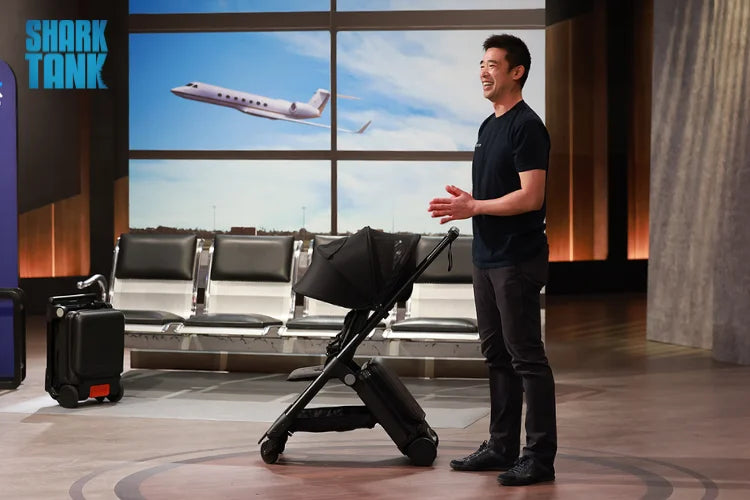
After our first trip, and a long walk from the plane to baggage claim in Malaysia carrying our son and our bags, we started TernX. Keeping the stroller with us was the whole point. Read how the TernX Carry On works or see our guide to flying with a stroller.
Airline Damaged Stroller FAQ
Do airlines pay for damaged strollers?
Often, if you report it before leaving the airport and claim in writing on time. Payment may come as repair, replacement, reimbursement, compensation, or sometimes flight credit, depending on the case. Some airlines ask the passenger to bring the stroller to the airport for assessment, and a payout is not guaranteed.
How long do I have to claim for a damaged stroller?
7 days on most international flights. US domestic deadlines can be only a few hours after arrival, so do not leave the airport before reporting damage.
Is a gate checked stroller treated as checked baggage?
Generally yes. Once it’s in the hold, it is usually handled like other luggage, but whether the airline is liable depends on the route, airline, and rules.
What is a Property Irregularity Report?
The airline’s official record for items that arrive damaged, delayed, or lost. Get one at the baggage desk before leaving, and keep it with your tags and other claim documents.
Disclaimer: This article shares our experience and general information for travelling families. It isn’t legal advice. Airline policies and passenger rules change and vary by airline and country, so always check your airline’s baggage policy or contact them directly before you fly.